Differences Between Asphalt Courts for Tennis vs. Pickleball
People searching for asphalt installation for tennis or pickleball courts often want durable, properly designed surfaces, and local contractors can help ensure the right specifications are met.
Understanding the differences between asphalt courts for tennis and pickleball is an important step for property owners considering outdoor sports amenities. Each sport has unique requirements that influence court design, surface texture, and playing experience, making it essential to choose the right asphalt installation approach. For those in the area exploring options for a new court or upgrading an existing one, knowing these distinctions can help ensure the finished surface meets both performance needs and durability expectations.
Property owners in the community often seek guidance on the best asphalt solutions to support their recreational goals, whether for personal use or community facilities. Local contractors specializing in tennis court and pickleball court asphalt installation can provide valuable insights and tailored services to help make informed decisions. Continuing to explore this topic can reveal practical considerations that lead to a well-constructed, long-lasting court suited to the specific sport and usage preferences, making it easier to enjoy years of active play.
Get Quotes for Tennis Court And Pickleball Court Asphalt Installation
- Tennis court asphalt installation - needed when designing or resurfacing courts specifically for tennis players, with local contractors tailoring surface smoothness and durability to meet sport standards.
- Pickleball court asphalt installation - required for creating courts optimized for pickleball, with local service providers adjusting surface thickness and color to accommodate smaller court dimensions.
- Differences between asphalt courts for tennis vs. pickleball - influence how local pros approach surface preparation, with tennis courts often demanding more extensive leveling for larger play areas.
- Asphalt surface customization for tennis and pickleball - involves local contractors modifying texture and line markings to suit each sport’s unique gameplay requirements.
- Choosing asphalt for tennis or pickleball courts - depends on the specific sport and usage, with local pros providing guidance on the best asphalt options based on court size and activity level.
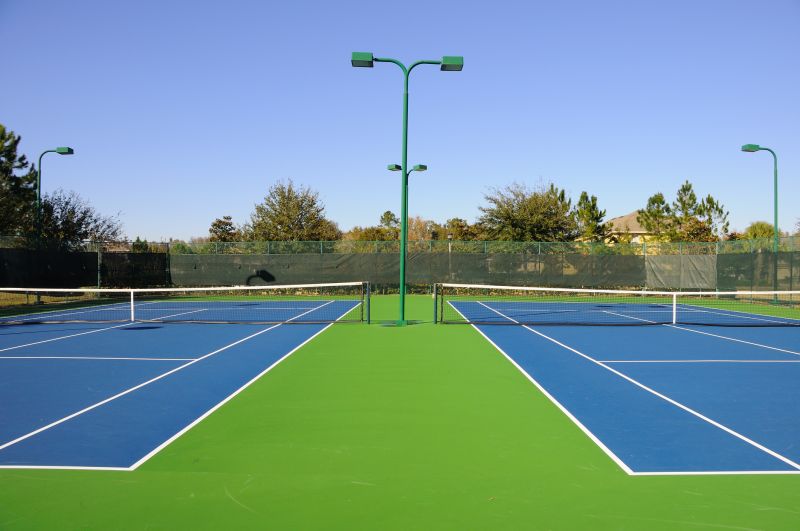
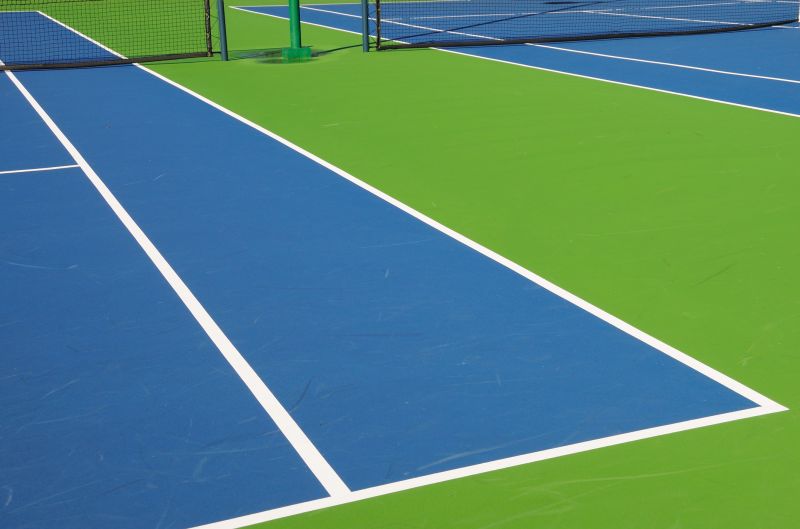
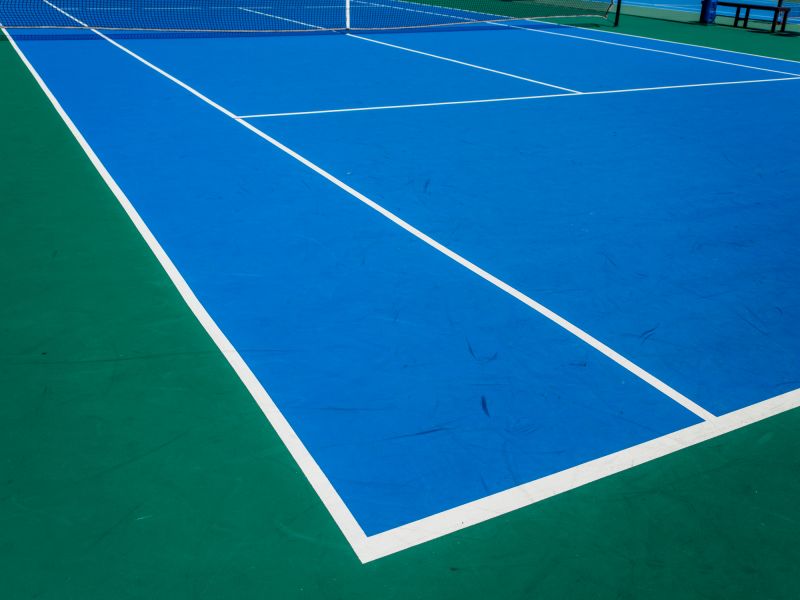
When homeowners search for information about the differences between asphalt courts for tennis versus pickleball, they often aim to understand how the surface impacts gameplay, durability, and maintenance needs. Many are considering installing a new court or upgrading an existing one and want to ensure the surface suits their preferred sport. This inquiry typically relates to plans for creating a recreational space that provides optimal playability, safety, and longevity. Understanding these differences helps property owners select the right type of asphalt surface, ensuring their investment aligns with their recreational goals and how the court will be used over time.
The problems or plans associated with this topic often involve deciding between different court designs, surface textures, and surface thicknesses to meet specific sport requirements. For example, tennis courts require a surface that supports consistent ball bounce and player movement, while pickleball courts benefit from a surface that offers good grip and shock absorption for quick directional changes. Homeowners may also be exploring options for multi-use courts that accommodate both sports or considering how the asphalt surface can be tailored to enhance safety and reduce wear and tear. Local contractors who specialize in asphalt installation can help evaluate the property, recommend appropriate surface specifications, and ensure the finished court meets the demands of the intended sport.
Properties that typically come up in this context include residential backyards, community parks, and recreational facilities. These properties often have enough space to accommodate a dedicated court, and the choice of asphalt surface is influenced by factors like available land, budget, and desired court size. For tennis, courts are usually larger and require a smooth, level surface with specific line markings, while pickleball courts are smaller and can sometimes be added as a multi-sport area within an existing space. Asphalt properties such as surface thickness, color, and texture are important considerations, and local service providers can assist in customizing these features to match the property’s needs and the user’s preferences.
Understanding how asphalt courts differ for tennis versus pickleball helps homeowners make informed decisions about their outdoor recreational investments. Local contractors experienced in asphalt installation can evaluate the property, recommend suitable surface options, and handle the construction process to ensure the court is durable and functional. Whether the goal is a dedicated tennis court, a pickleball court, or a multi-use surface, knowing the technical differences and practical considerations allows property owners to plan effectively. Connecting with local service providers ensures the project aligns with the specific requirements of each sport, resulting in a court that enhances the property's value and provides years of enjoyable play.
Basketball court resurfacing - professionals who specialize in asphalt resurfacing can apply techniques similar to those used in tennis and pickleball court installations, ensuring durable and level surfaces.
Playground surface installation - local contractors experienced in installing resilient asphalt surfaces for playgrounds possess skills applicable to creating safe, smooth courts for tennis and pickleball.
Driveway paving projects - driveway paving involves asphalt work that requires precise grading and surface preparation, skills that are essential for proper tennis and pickleball court construction.
Sports court construction - experts in building various sports courts, including basketball and volleyball courts, utilize planning and asphalt installation techniques relevant to tennis and pickleball courts.
Walking path and trail paving - trail paving projects involve asphalt surface work that shares common planning and installation methods with tennis and pickleball court surfacing.
Parking lot repair and sealing - contractors experienced in asphalt repair and sealing can adapt their skills to ensure courts are properly maintained and protected from surface deterioration.
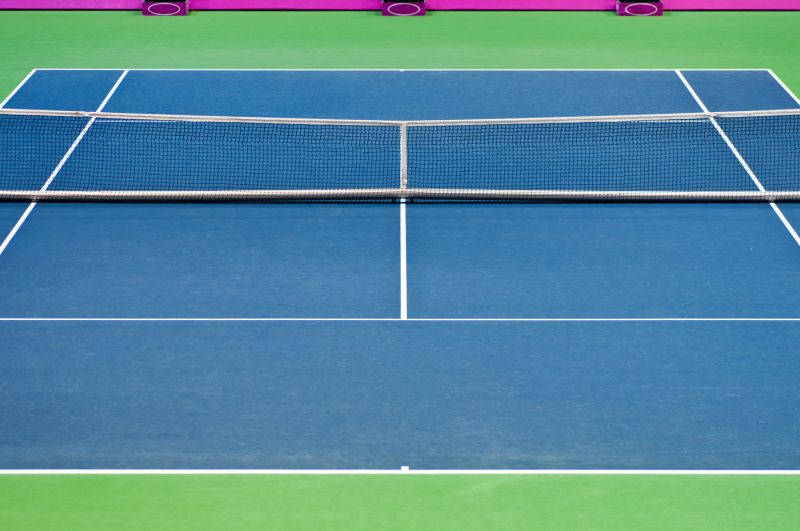
When comparing asphalt courts for tennis versus pickleball, it is important to consider the experience of local contractors with similar projects. Different sports have unique surface requirements, such as court dimensions, bounce characteristics, and surface hardness, which can influence installation techniques and material choices. Service providers with a proven track record of installing both tennis and pickleball courts can offer valuable insights into the specific considerations for each sport, ensuring the finished court meets the functional needs and performance expectations for each activity.
Clear, written expectations are essential when evaluating asphalt installation services. Homeowners should seek detailed proposals that outline the scope of work, including surface preparation, asphalt mix specifications, curing processes, and any necessary surface treatments. Having this information in writing helps prevent misunderstandings and provides a benchmark for assessing whether the service provider’s approach aligns with the desired outcome. It also facilitates informed comparisons between different contractors, making it easier to identify which local pros are best equipped to handle the nuances of tennis and pickleball court construction.
Reputable references and strong communication are key factors in selecting a dependable asphalt court installer. Homeowners are encouraged to ask potential contractors for examples of completed projects similar in scope and sport-specific requirements. Additionally, responsive and transparent communication throughout the process can indicate a contractor’s professionalism and commitment to customer satisfaction. A contractor who listens carefully, answers questions clearly, and provides consistent updates can help ensure the project progresses smoothly and results in a high-quality court tailored to the needs of tennis or pickleball play.
Get a Quote for Tennis Court And Pickleball Court Asphalt Installation
Property owners often search for differences between asphalt courts for tennis vs. pickleball when they are planning practical projects around their homes and businesses. Local pros provide Tennis Court and Pickleball Court Asphalt Installation services for everyday jobs and straightforward project options.
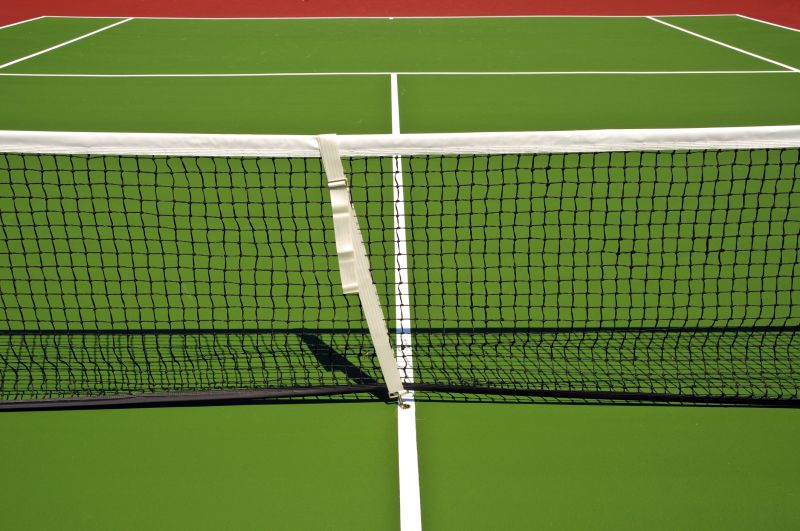
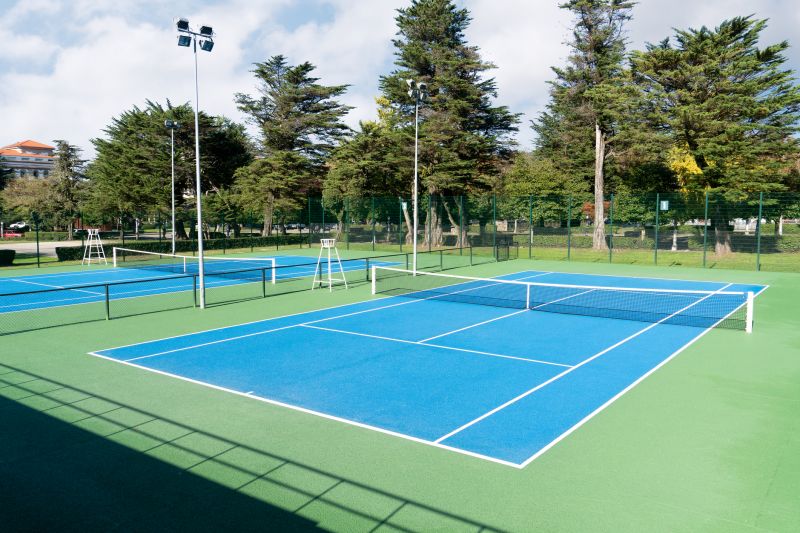
Understanding the differences between asphalt courts for tennis and pickleball can help property owners make informed decisions when planning a new court or upgrading an existing one. Tennis courts typically require a smoother, more durable asphalt surface to accommodate the larger playing area and faster ball movement, while pickleball courts often benefit from slightly softer or textured asphalt to enhance grip and reduce impact during quick, agile plays. Local contractors experienced in asphalt installation can advise on the specific surface properties needed for each sport, ensuring the court is tailored to the intended use and provides optimal playability.
For property owners considering asphalt installation for either sport, it’s important to recognize that the design and surface specifications vary based on the game’s requirements. Tennis courts tend to demand a uniform, high-quality asphalt layer that minimizes surface irregularities, whereas pickleball courts may incorporate surface treatments or slight texturing to improve traction. Engaging with experienced local service providers can help ensure the asphalt surface is properly prepared and finished to meet the unique needs of each sport, resulting in a court that offers the best possible playing experience.
Get a Quote for Tennis Court And Pickleball Court Asphalt Installation
What are the main differences between asphalt courts for tennis and pickleball? Asphalt courts for tennis are typically larger with a smoother, more durable surface designed for high-speed play, while pickleball courts are smaller with specific markings and may require a slightly different surface texture to accommodate the sport's quick movements.
How does the surface preparation differ when installing asphalt courts for tennis versus pickleball? Installation of asphalt courts for tennis often involves a thicker, more reinforced base to support larger court dimensions, whereas pickleball courts may require a lighter base with precise markings and surface texture tailored to the sport's quick, lateral movements.
Are there variations in asphalt surface textures for tennis compared to pickleball courts? Yes, asphalt surfaces for tennis typically have a smoother finish to facilitate fast ball bounce and consistent play, while pickleball courts may have a slightly textured surface to improve grip and accommodate rapid lateral movements.
Do the markings and dimensions differ for asphalt courts used for tennis versus pickleball? Absolutely, tennis courts are larger with specific baseline and service line markings, whereas pickleball courts are smaller with different boundary lines and non-volley zones, all of which local contractors can incorporate during installation.
Can asphalt courts for tennis and pickleball be installed in the same location? Yes, with proper planning, asphalt courts for both sports can be installed in the same area, often requiring different markings and surface treatments, which local service providers can customize during the installation process.
Understanding surface durability - choosing asphalt with appropriate thickness can help ensure the court withstands the specific wear and tear of tennis or pickleball play, with local contractors able to recommend suitable options.
Considering court dimensions and markings - different sports require distinct court sizes and line markings, so consulting with local pros ensures the asphalt surface is prepared to meet these specifications.
Assessing surface smoothness and grip - the level of traction needed varies between tennis and pickleball, and experienced asphalt installers can tailor the surface texture for optimal playability.
Planning drainage and slope - proper grading prevents water pooling, which is especially important for maintaining court quality for either sport, with local service providers able to implement effective drainage solutions.
If you are thinking about differences between asphalt courts for tennis vs. pickleball for a property, this guide is meant to help you understand this topic, the typical project types, and how different options might fit your plans.
When you are ready, you can use the quote form on this page to share a few details about your project. From there, local pros can review the basics and follow up with options that match what you have in mind.
Get a Quote for Tennis Court And Pickleball Court Asphalt Installation