Asphalt Paving Requirements for Regulation Tennis and Pickleball Courts
People searching for asphalt paving requirements for regulation tennis and pickleball courts are typically looking to ensure proper court surface quality, and local contractors can help meet these standards effectively.
Property owners in the area considering the installation or renovation of regulation tennis and pickleball courts often find themselves needing to understand the specific asphalt paving requirements involved. Ensuring the correct paving standards are met is essential for achieving a surface that provides optimal playability, durability, and safety. Whether for a private sports facility, community recreation area, or school campus, knowing the practical aspects of asphalt paving can help property owners make informed decisions and avoid costly mistakes down the line.
Local contractors experienced in tennis and pickleball court paving can provide valuable expertise in meeting these requirements. They understand how to prepare the site, select appropriate materials, and apply the right techniques to create a high-quality surface that adheres to regulation standards. Exploring this topic further can help property owners connect with skilled service providers who can deliver a paving solution tailored to the specific needs of regulation courts, ensuring a long-lasting and well-maintained playing surface.
- Tennis court paving - individuals planning to build or upgrade regulation tennis courts can rely on local contractors experienced in meeting asphalt paving requirements for proper surface smoothness and durability.
- Pickleball court paving - those designing pickleball courts for community or private use often seek local service providers familiar with asphalt standards for a high-quality, regulation-compliant surface.
- Surface installation for sports courts - clients needing to install new asphalt surfaces for regulation tennis or pickleball courts can connect with local pros who understand the specific paving requirements for these sports.
- Court resurfacing services - property owners looking to resurface or repair existing tennis or pickleball courts can find local contractors skilled in restoring asphalt to meet regulation standards.
- Asphalt paving consultation - individuals seeking guidance on asphalt paving requirements for regulation courts can consult with local experts to ensure compliance with sport-specific paving standards.
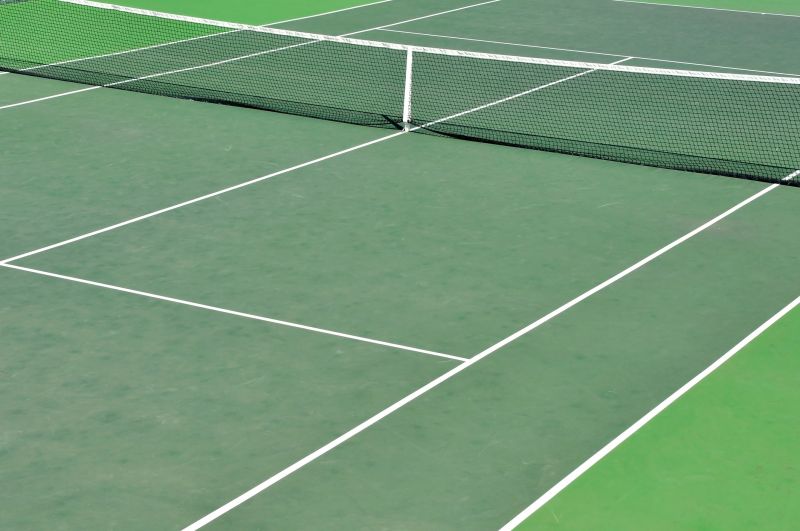
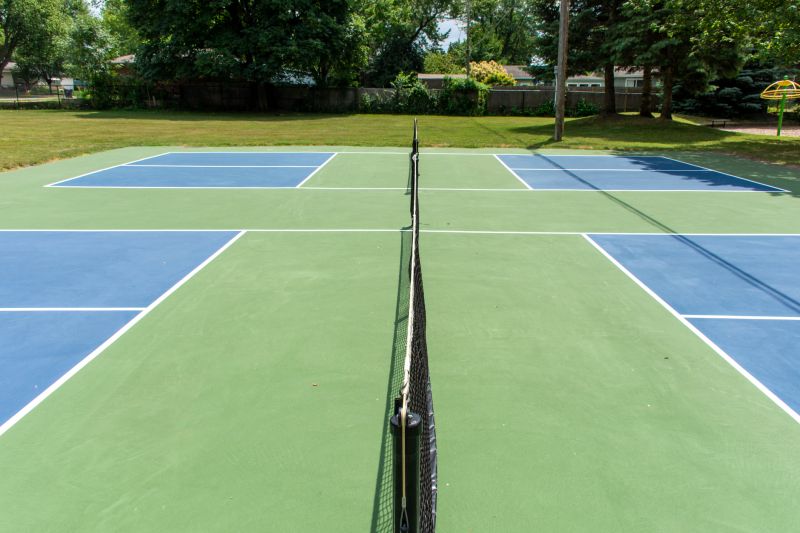
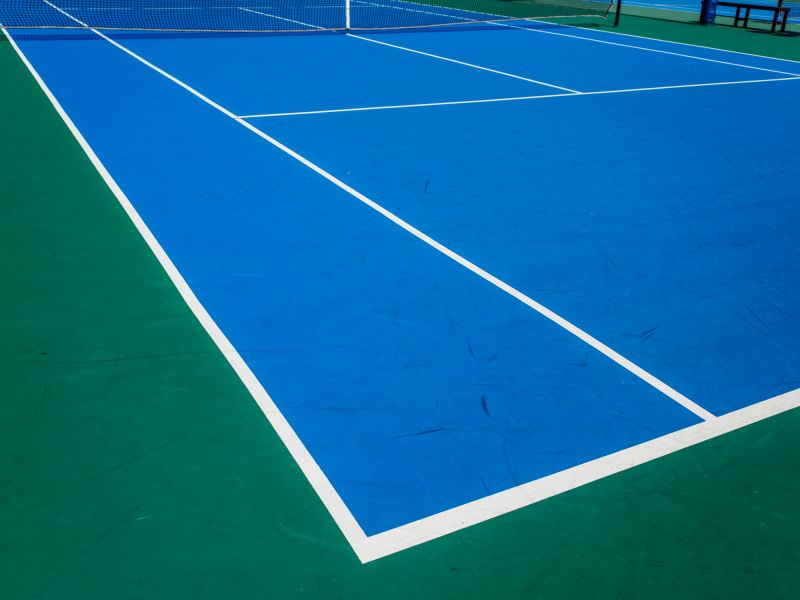
When searching for information about asphalt paving requirements for regulation tennis and pickleball courts, most people are looking to understand the specific standards and standards that ensure these sports surfaces are safe, durable, and compliant with governing body regulations. Homeowners or property owners often plan to install or upgrade courts on private residential properties, community parks, or recreational facilities. They want to know what type of asphalt mix, thickness, and surface preparation are necessary to meet official sizing and performance guidelines, ensuring the courts can handle regular play without premature damage or safety issues.
These projects are typically connected to plans for creating new courts or renovating existing ones to meet the standards set by organizations like the USTA or USAPA. Problems that frequently arise include uneven surfaces, cracking, or inadequate drainage, which can compromise the quality of play and lead to additional repair costs. Understanding the asphalt paving requirements helps property owners avoid these issues by ensuring the base and surface layers are correctly installed from the start. Local contractors who specialize in sports court paving can provide expert guidance on meeting these standards, helping to plan and execute projects that align with regulation specifications.
Properties that commonly come into focus for these types of projects include residential backyards, community recreation centers, private clubs, and school campuses. These locations often require courts that are not only functional but also visually appealing and long-lasting. The size of the property and intended use influence the scope of the paving work, with larger facilities demanding more extensive planning and execution. Local paving service providers are familiar with the typical requirements for regulation tennis and pickleball courts and can assist property owners in designing and constructing courts that fit their space, budget, and performance expectations.
Understanding asphalt paving requirements for regulation tennis and pickleball courts is essential for ensuring a high-quality playing surface that adheres to official standards. When planning a new court or upgrading an existing one, property owners should consider how local service providers can help meet these technical specifications. These experts can evaluate site conditions, recommend suitable asphalt mixes, and handle the installation process to produce a court that is safe, durable, and regulation-compliant. Connecting with experienced contractors ensures that the project aligns with all necessary standards, helping to create a court that provides consistent play and long-term value.
Basketball Court Construction - This project involves surface preparation and paving techniques similar to those used for tennis and pickleball courts, requiring precise leveling and material application. Local contractors experienced in basketball court paving can often handle asphalt surface requirements for various sports facilities.
Driveway Paving Services - Driveway paving requires durable asphalt surfaces and proper base preparation, skills that are directly applicable to creating regulation-grade tennis and pickleball court surfaces. Service providers can adapt their expertise to meet specific paving standards for sports courts.
Outdoor Sports Court Installation - Installing courts for basketball, volleyball, or multi-sport use involves surface grading and paving similar to tennis and pickleball courts, making it a related project that benefits from similar planning and material considerations. Local pros can often provide comprehensive solutions for various outdoor sports surfaces.
Pool Deck Paving - Paving around swimming pools demands smooth, durable asphalt surfaces with proper drainage, paralleling the requirements for tennis and pickleball court paving. Contractors experienced in pool deck paving are familiar with surface finish and safety standards applicable to sports courts.
Parking Lot Resurfacing - Resurfacing large asphalt areas like parking lots involves extensive surface preparation and paving techniques comparable to those needed for regulation tennis and pickleball courts. Skilled local contractors can leverage their experience to meet specific court paving requirements.
Walkway and Pathway Paving - Creating durable, level pathways with asphalt involves planning and paving skills similar to those used in court surface preparation, ensuring proper surface integrity and safety for sports courts. Service providers can adapt these skills to meet regulation standards for tennis and pickleball courts.
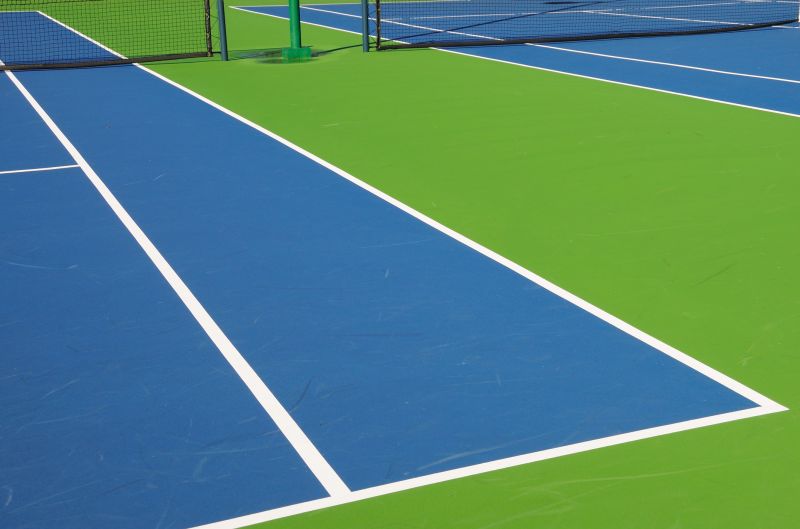
When evaluating service providers for asphalt paving requirements for regulation tennis and pickleball courts, it is important to consider their experience with similar projects. Local contractors who have previously handled court paving projects are more likely to understand the specific standards and technical specifications necessary for proper surface performance and durability. Asking about their past work on tennis and pickleball courts can provide insight into their familiarity with the unique demands of these sports, such as surface smoothness, drainage considerations, and appropriate asphalt mixes. This background can help ensure that the paving work will meet the regulatory requirements and support optimal gameplay.
Clear and detailed written expectations are vital when comparing local contractors for tennis and pickleball court paving services. A reputable service provider should be able to outline the scope of work, including surface preparation, asphalt installation, and finishing processes, in a comprehensive manner. Having this documented information helps prevent misunderstandings and provides a basis for evaluating the quality and thoroughness of their approach. It also allows homeowners to confirm that the contractor’s methods align with the specific asphalt paving requirements for regulation tennis and pickleball courts, ensuring the finished surface will meet the necessary standards for safety and performance.
Reputable references and good communication are essential factors to consider when selecting local pros for court paving projects. Service providers with positive references from previous clients indicate a track record of reliable work and customer satisfaction. Effective communication throughout the project ensures that expectations are clearly conveyed and any questions or concerns are addressed promptly. This transparency helps homeowners feel confident that the contractor understands the importance of compliance with asphalt paving requirements for regulation tennis and pickleball courts and is committed to delivering a quality result. Prioritizing these qualities can lead to a smoother project experience and a court surface that meets all necessary standards.
Property owners often search for asphalt paving requirements for regulation tennis and pickleball courts when they are planning practical projects around their homes and businesses. Local pros provide Tennis and Pickleball Court Paving services for everyday jobs and straightforward project options.
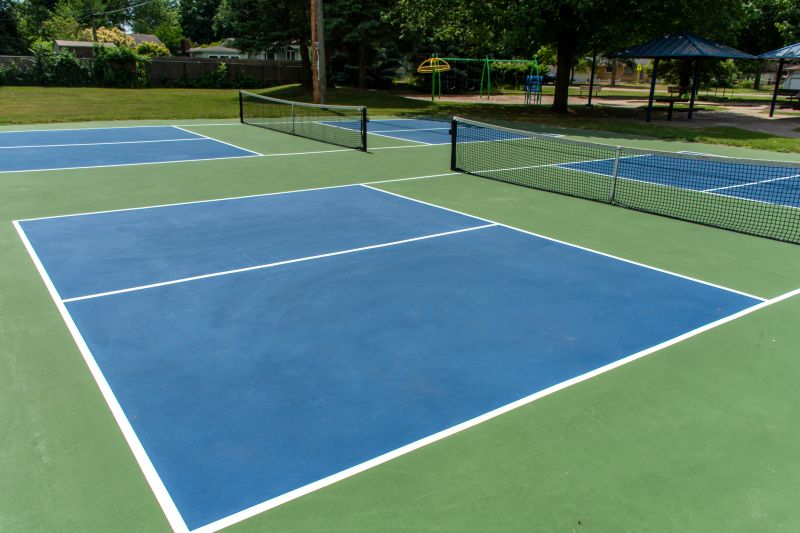
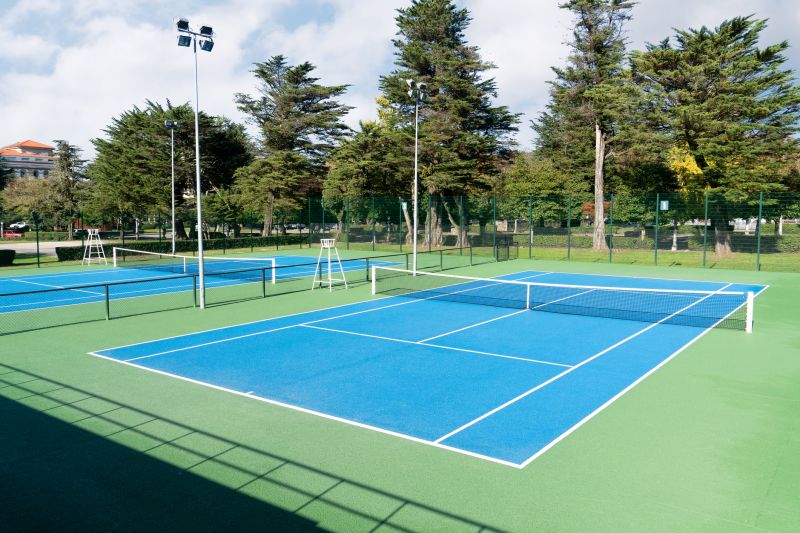
Property owners interested in installing or upgrading tennis and pickleball courts often look into asphalt paving requirements to ensure their facilities meet regulation standards. These guidelines typically cover surface smoothness, proper drainage, and consistent thickness, which are essential for safe and high-quality play. When planning such projects, many seek out local contractors experienced in paving sports courts, as they understand the specific technical details needed to meet these standards and help avoid common issues like uneven surfaces or water pooling.
Choosing skilled service providers can make a significant difference in achieving a durable and compliant court surface. Local contractors familiar with asphalt paving requirements for regulation tennis and pickleball courts can assist with proper site preparation, material selection, and installation practices. This ensures the finished courts provide safe, reliable play areas that adhere to official specifications, making it easier for property owners to enjoy their sports facilities for years to come.
What are the asphalt paving requirements for regulation tennis and pickleball courts? Local contractors typically follow standards that ensure a smooth, durable surface with proper slope and drainage to meet regulation specifications for tennis and pickleball courts.
How does asphalt paving impact the quality of tennis and pickleball courts? Proper asphalt paving provides a stable, even surface that enhances playability and longevity, which is why experienced service providers adhere to specific paving requirements for these courts.
Are there specific subbase or foundation requirements for paving tennis and pickleball courts? Yes, local pros often recommend a well-prepared subbase that supports the asphalt layer, preventing cracking and ensuring compliance with regulation standards.
What thickness should the asphalt layer be for regulation tennis and pickleball courts? Typically, asphalt layers for these courts are installed at a thickness specified by local standards, often around 2-3 inches, depending on usage and site conditions.
Can local contractors customize asphalt paving to meet specific regulation requirements for tennis and pickleball courts? Yes, experienced service providers can tailor asphalt paving processes to meet the precise regulation requirements for both tennis and pickleball court surfaces.
Understanding regulation standards - Property owners can explore how local contractors ensure asphalt paving meets the specific requirements for regulation tennis and pickleball courts to maintain proper gameplay conditions.
Assessing site preparation needs - Homeowners might evaluate the importance of proper site prep, such as grading and drainage, which local service providers can handle to ensure a durable asphalt surface.
Choosing appropriate surface thickness - Property owners can learn about the recommended asphalt thickness for regulation courts and how local contractors can implement these specifications for optimal performance.
Ensuring proper surface finish - Individuals can discuss with local pros about achieving a smooth, even asphalt surface that complies with regulation standards for safety and playability.
If you are thinking about asphalt paving requirements for regulation tennis and pickleball courts for a property, this guide is meant to help you understand this topic, the typical project types, and how different options might fit your plans.
When you are ready, you can use the quote form on this page to share a few details about your project. From there, local pros can review the basics and follow up with options that match what you have in mind.